“This suggests a research failure. One of the foundational skills of good communications work is source verification. We teach it, we should also live it. Pressures of deadlines and content calendars should not cloud the fundamentals of media etiquette.”
By Chibuikem Chukwuekem
Over the weekend, around the world. International Women’s Day was commemorated. The date was the same as every year, March 8th. This date was set by the UN, the same as every other date for international days that we commemorate. Inclusive of the set date is a selected theme for each year. Companies, brands, communicators, and everyday social media users were mainly discussing International Women’s Day under a single theme: “Give to Gain”. It trended. It dominated timelines. It was shared on branded graphics, woven into campaigns, and echoed across webinars and video content.
There’s just one problem. It wasn’t the UN’s theme.
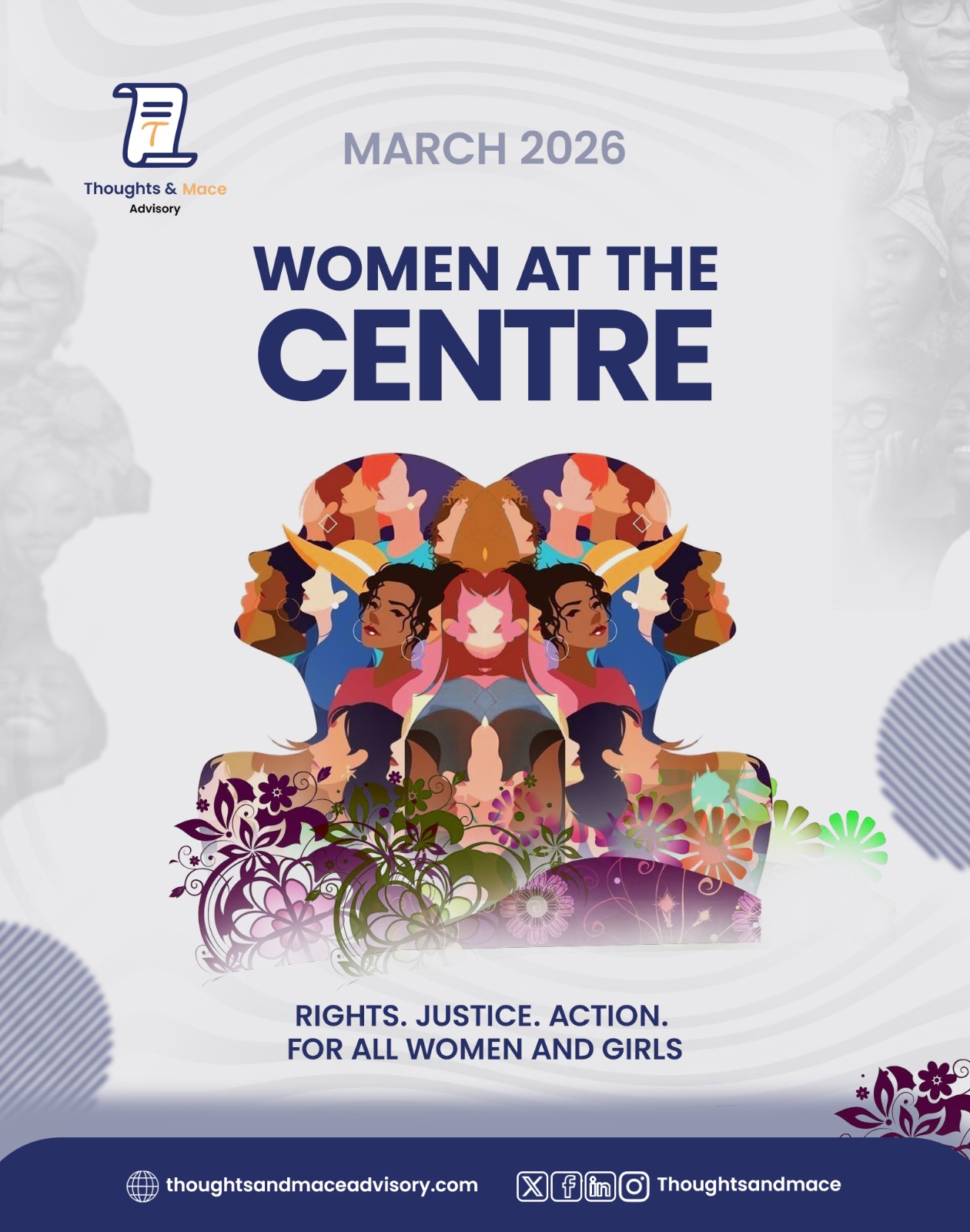
The United Nations’ official theme for International Women’s Day 2025 was “Rights. Justice. Action. For ALL Women and Girls”. A theme that is urgent, political, and rooted in the decades-long struggle for gender equity. “Give to Gain” belongs to InternationalWomensDay.com, a separate commercial organisation that runs its own annual campaign around IWD.
Now, some will argue, and they are not entirely wrong, that two themes are simply how IWD works. The UN sets one theme; InternationalWomensDay.com, which has built considerable digital authority, often sets another. Some say they defaulted to the InternationalWomensDay.com theme for most of their campaigns. Many organisations still do. It feels accessible, it’s SEO-optimised, and frankly, it usually shows up first on Google.
But permit me to counter on that narrative, and on us, as communicators, marketers, and PR professionals.
Origin matters a lot. International Women’s Day, like International Human Rights Day, World Health Day, and the many other observances on the global calendar, was established and is stewarded by the United Nations. These are not just branding opportunities; they are deliberate acts of global coordination, designed to focus on collective attention specific to issues at a moment in time. The theme is not just a suggestion; it is a frame through which the day is intended to be understood.
When another organisation, however well-resourced and well-intentioned, issues a competing theme, that is not the official theme. It is their theme, and there is a meaningful difference.
To be clear, InternationalWomensDay.com is not doing anything deceptive; they are transparent about who they are. However, organisations that align with the UN and wish to communicate with the official UN commemorations should communicate the right information to the public.
This suggests a research failure. One of the foundational skills of good communications work is source verification. We teach it, we should also live it. Pressures of deadlines and content calendars should not cloud the fundamentals of media etiquette. The UN’s messaging did not dominate social feeds the way “Give to Gain” did. What we had was a commercial campaign theme, which in itself is not bad, but was widely mistaken for the global institutional one, not by bad actors, but by busy, well-meaning professionals who did not take a moment to verify for alignment.
What does this cost us? The UN’s theme: “Rights. Justice. Action. For ALL Women and Girls” carries its own weight. It speaks to legal protections, accountability, and systemic change. “Give to Gain” is not without value, but it carries a different ideological register, one that, as some women noted, asks women to give more in exchange for what should already be theirs, while others noted that there must be a reward to every giving, which creates other nuances to the discussions and so many other interpretations.
That distinction matters. And communicators who deployed Give to Gain without knowing they were substituting one message for another were inadvertently participating in a narrative shift, not because they meant to, but because they didn’t verify.
Before your next campaign tied to an international observance, take five minutes. Go to the official website, research all the information concerning the project or program, and then decide how your organisation wants to engage with it.